Custom Energy Software Development: Platforms for Asset Management and Monitoring
Developing high-performance custom systems for data collection, advanced analytics, and asset management for utilities, renewables, and smart grids.
Expertise in Mission-Critical Software
700M
Renewable asset value monitored and optimized through our platform.
85%
Staff retention. Same engineers, from kickoff to launch.
10+
Years building production-grade systems that run and last.
4yr
Longest active engagement, still running and counting strong.
Proven Results in Energy Sector
End-to-end energy software — from IoT-connected metering and SCADA integration to cloud analytics dashboards — built by engineers who understand the physics, not just the code.


Software for the Entire Energy Asset Lifecycle
From forecasting generation to managing grids and storage, we build the systems energy operators rely on to run their assets in real time.
Renewable Energy Asset Management Software
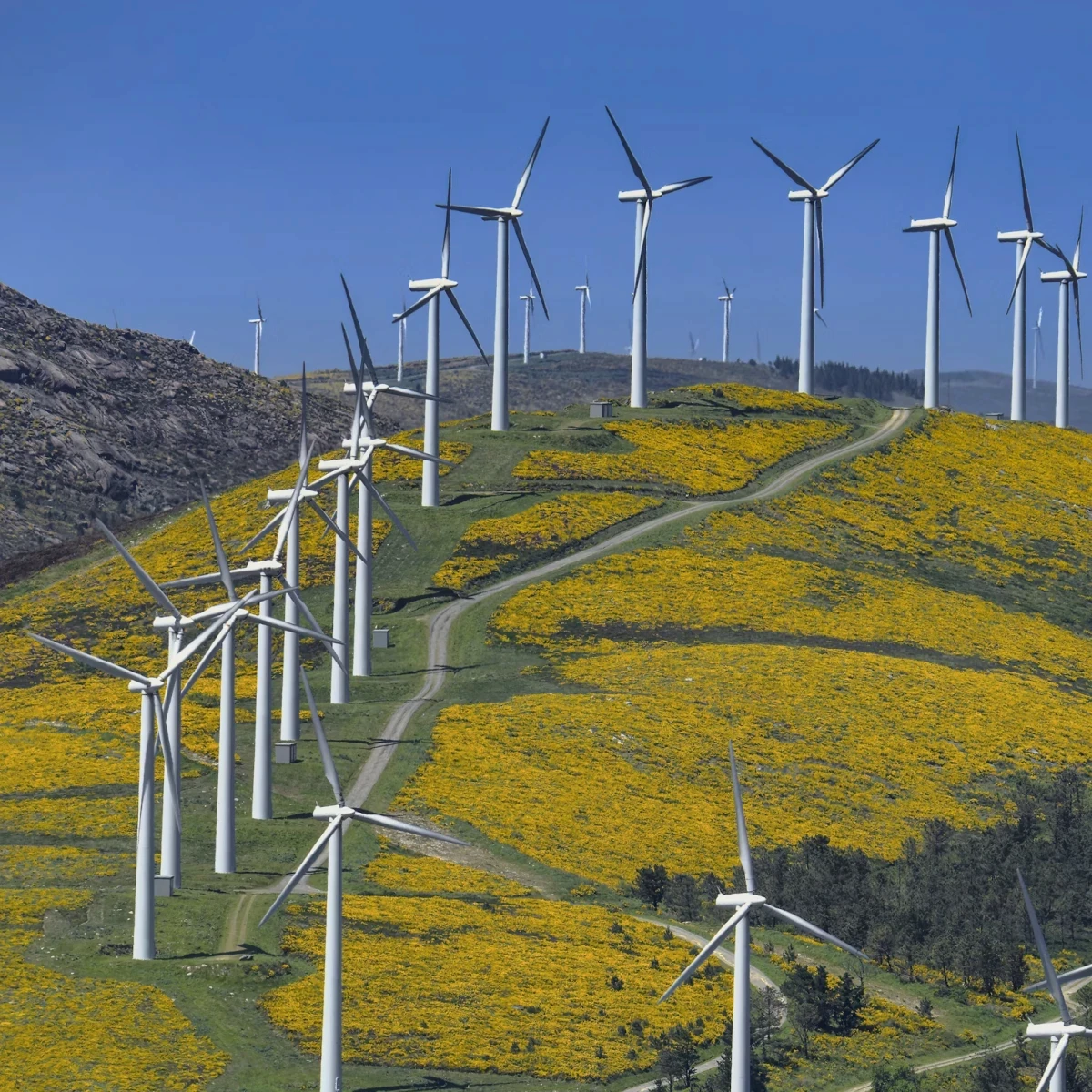
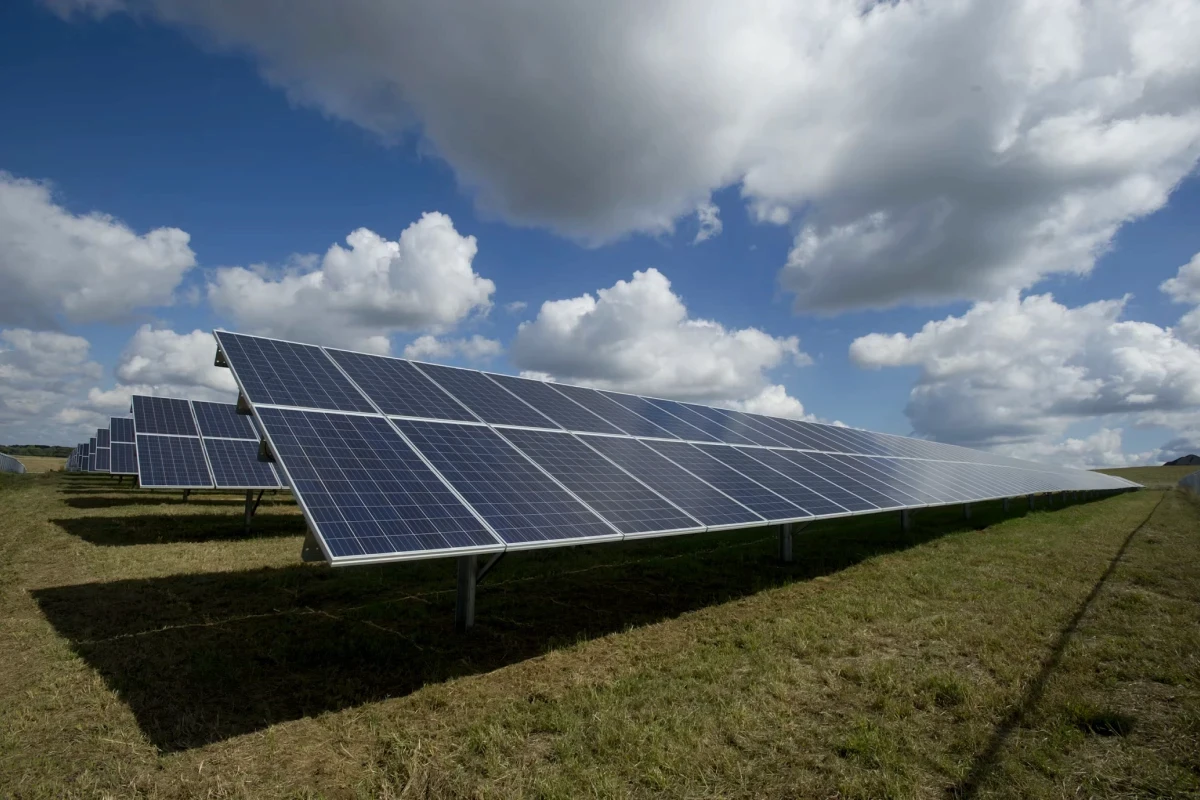
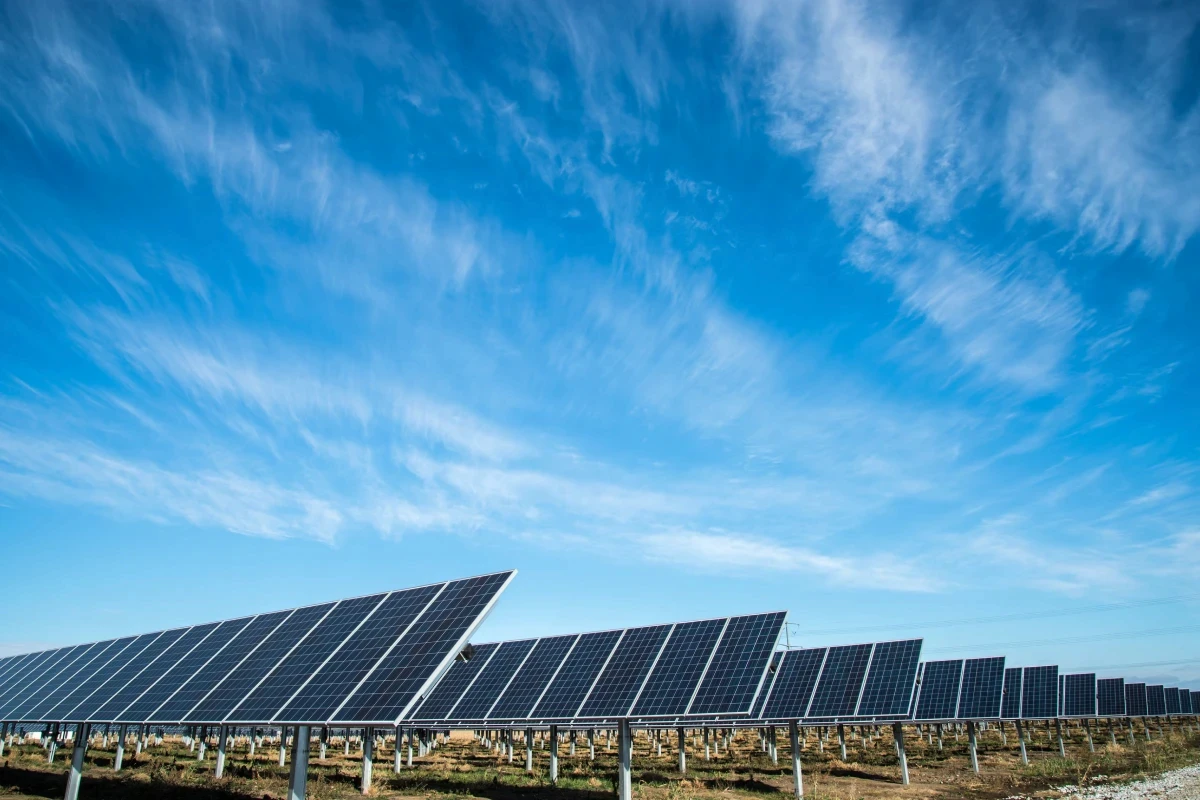
Development of asset management software, wind/solar farm monitoring, and lifecycle optimization.
Renewable Energy Forecasting Software
Build advanced weather forecasting simulators that improve prediction accuracy and support data-driven decision-making in energy, utilities and climate-sensitive industries.
Utility Data Analytics & Smart Grid Analytics Software
Creating platforms for grid data collection, DERMS, and load forecasting. Powered by Big Data and ML/AI.

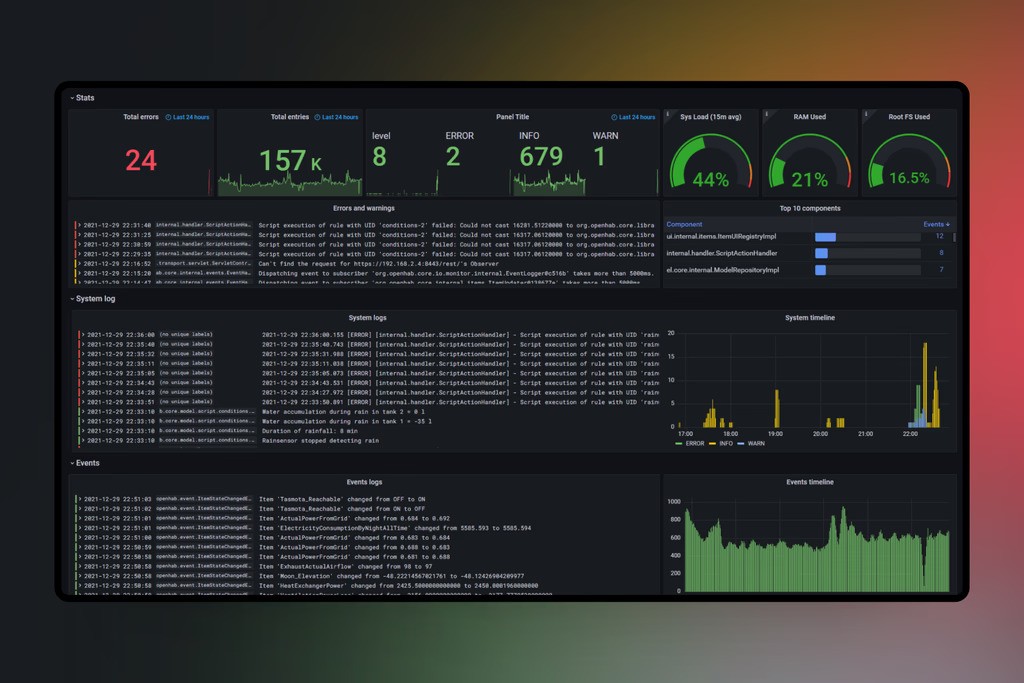
Energy Monitoring Dashboards & Systems
Intuitive, high-performance dashboards for real-time operational control through a remote energy monitoring system.
Battery Storage Software
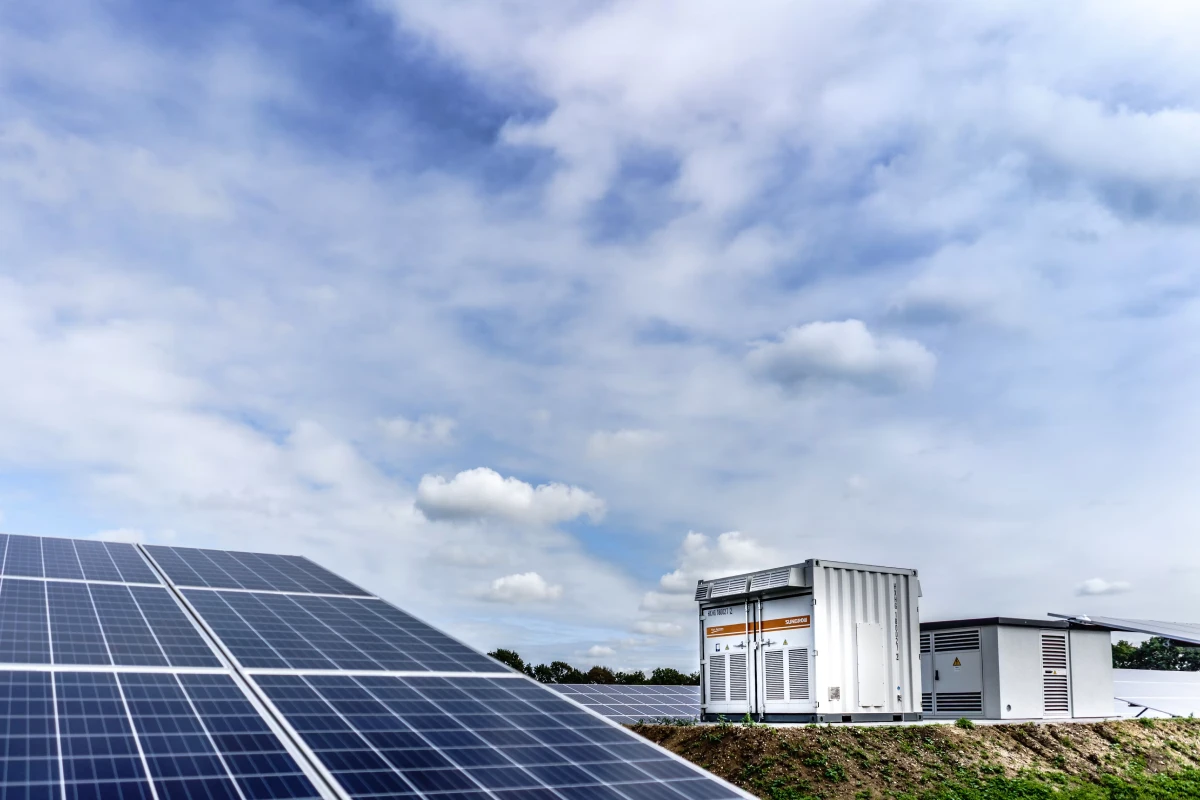
Expertise in battery monitoring software, control systems and data analytics for Battery Energy Storage Systems (BESS).
Market Challenges
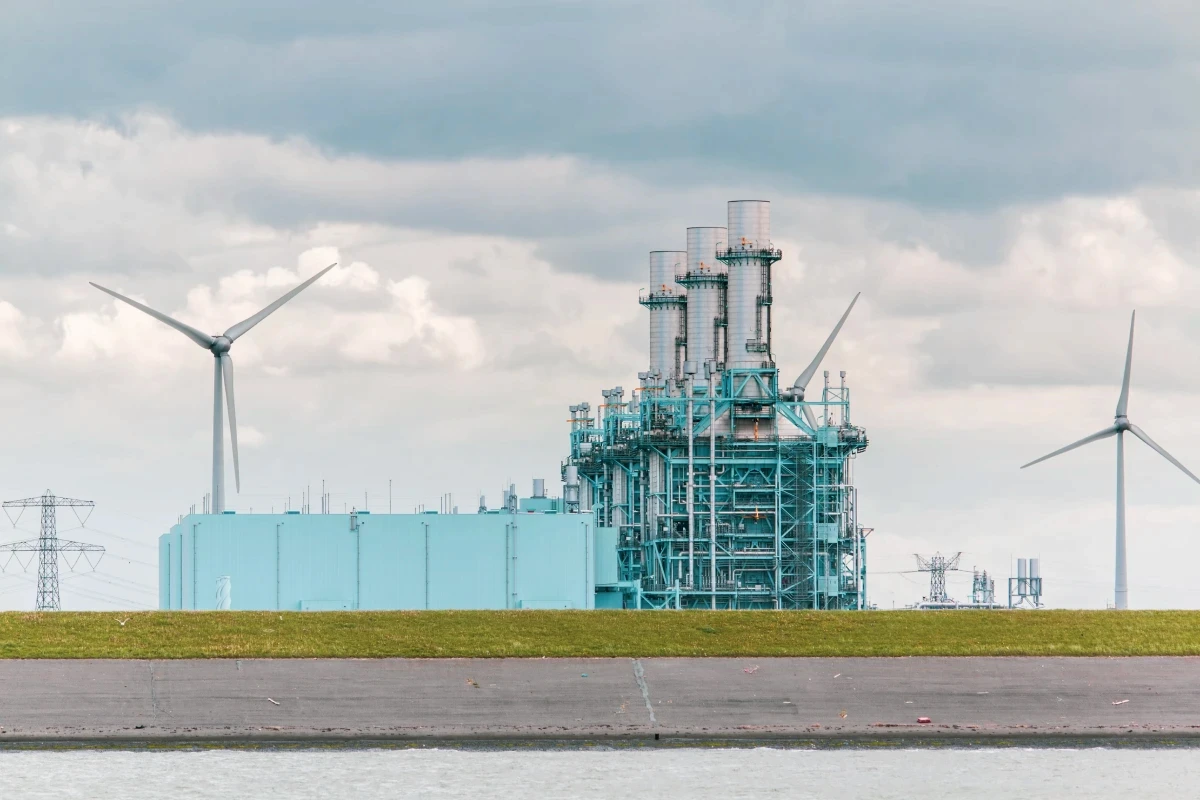
High Risk in Energy Balancing. The renewable market is demanding, leading to severe operational and financial risks.
Senior Engineers + AI: Speed and Reliability
Ready to build your Energy Software solution?
In one hour with our Senior Architect from Four Ages, you'll get a clear path forward for your Asset Management, Grid Analytics, or Remote Monitoring strategy — no commitment required.

FAQ
Questions? We're glad you asked.
Four Ages develops renewable energy asset management platforms, real-time grid analytics systems, energy forecasting simulators, SCADA integration layers, BESS management software, and DERMS platforms. Every system is built for operational environments where failure has direct financial and grid-stability consequences.
We have delivered wind and solar farms forecasting systems, enterprise IoT energy management platforms, and smart building energy efficiency systems — all in production, all maintained by the same senior engineers who built them.
How do you address the market challenges of high risk in energy balancing and inaccurate load forecasting?
We build multi-model forecasting pipelines combining NWP data with localised ML calibration and real-time sensor feeds. On the system side, we design event-driven architectures with sub-second latency for automated dispatch decisions. The result is measurably lower balancing costs.
Yes. Wind and solar asset management looks simple until you are managing curtailment decisions in real time, reconciling SCADA data with metering data for regulatory reporting, or debugging why a performance ratio dropped 3% across one section of a farm. We have built systems that handle all of these operationally — not in a demo environment. Our proprietary weather forecasting model, validated at 5–7% higher accuracy than ECMWF baseline, is embedded directly into our generation forecasting layer.
We have built real-time grid analytics systems handling high-frequency sensor ingestion, demand forecasting, generation-to-load matching, and anomaly detection. On DERMS, we architect for the coordination complexity of heterogeneous distributed assets — optimisation across different response characteristics, not just data aggregation.
Yes. We develop charge and discharge optimisation engines responding to spot price signals, frequency response requirements, and forecast generation curves. The hardest part of BESS software is not the charging algorithm — it is building a system that makes the right dispatch decision in milliseconds, explains it to a grid operator, and recovers gracefully when market conditions change mid-cycle. That requires senior engineers who have solved this problem before.
Senior-First means every architecture decision is made by a principal engineer with production energy experience. AI-Enhanced means forecasting models, anomaly detection, and optimization engines are built as production-grade components with versioning, monitoring, fallback logic, and explainability. We architect AI in. We don’t bolt it on.
Sensors across the building collect real-time data on consumption, temperature, and occupancy; an IoT platform aggregates the streams, detects waste, and automates responses — adjusting HVAC, lighting, and equipment schedules. Four Ages built exactly this for hospitality: a smart room IoT application for a 5-star hotel and an energy-efficient IoT solution deployed across a hotel chain.
Three mechanisms: real-time monitoring exposes waste you cannot see in monthly bills, automation eliminates always-on consumption, and forecasting lets you plan generation and purchasing. Accurate forecasts compound the savings — Four Ages’ custom weather forecast analytics, built on XGBoost and LSTM ensembles, delivered generation forecasts approximately 7% more accurate than official forecasts for solar and wind assets.
The features that matter in practice: real-time consumption dashboards, integration with existing sensors and meters, automated alerts on anomalies, predictive maintenance for equipment, scenario simulation, and ESG/compliance reporting. Four Ages builds these as custom platforms — including energy simulators for battery storage feasibility and production scenario modeling.
Sensors are the data layer everything else depends on — consumption meters, temperature, occupancy, and equipment-state sensors feed the analytics that drive decisions. The hard lesson from real projects: data quality beats data quantity. In Four Ages’ wind forecasting work, substantial engineering went into cleaning and reconstructing sensor data before models could deliver accuracy gains.
Renewables add a forecasting problem: generation depends on weather. Integration requires production forecasting models, battery storage simulation to buffer variability, and dashboards unifying generation with consumption. Four Ages has delivered each piece: solar plant monitoring, a battery feasibility simulator, wind farm analytics, and ML-based weather forecast analytics ~7% more accurate than official forecasts.
Industrial IoT security rests on: encrypted data transport (TLS), device authentication so rogue hardware cannot join the network, network segmentation isolating OT from IT, role-based access control, and GDPR-aligned data handling. Four Ages architects security into the foundation from day one rather than bolting it on before launch.
How can we start a consultation regarding our Asset Management, Grid Analytics, or Monitoring strategy?
Book a 60-minute technical consultation directly with a senior energy software engineer. We review your current architecture, identify where forecast accuracy or system latency is costing you money, and tell you honestly whether we are the right fit. Contact us at info@four-ages.com or through the contact form on our website.